
The Disaster-Preparedness Gap
Five Days at MemorialThis thread follows the gap between written emergency plans and the resources, coordination, and all-hazards thinking needed to carry them out.
increasing Bearing strength in each event
 decreasing
Bearing strength in each eventdecreasingPlanning for the Wrong Emergency
Planning for the Wrong Emergency
Terrorism Takes Priority
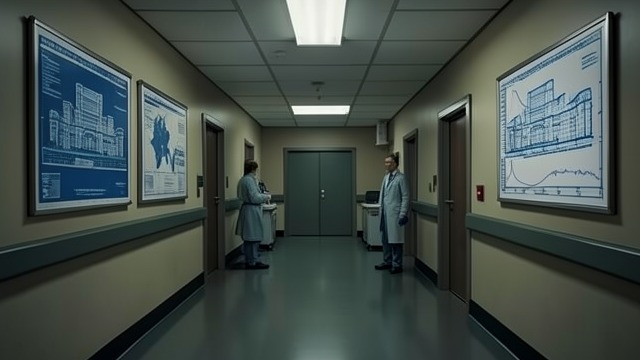
Federal preparedness funding after September 11 encouraged detailed planning for bioterrorism. Memorial’s bioterrorism scenario was far longer than its hurricane plan.
The Missing Scenario
Plans addressed individual hazards but did not combine flooding, power loss, communications failure, and evacuation. The hospital had paperwork for emergencies without a workable plan for the emergency that arrived.
The Hurricane Pam Exercise
The Hurricane Pam Exercise
A Catastrophe Modeled
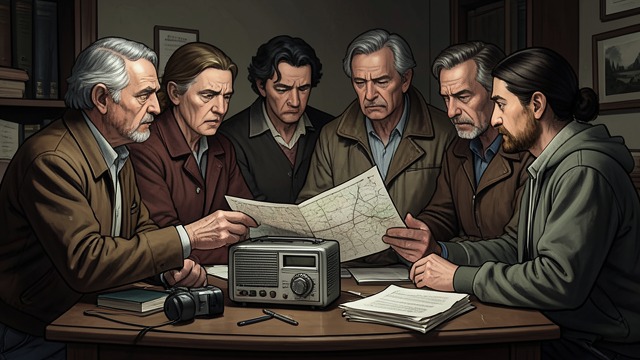
The exercise considered a major hurricane and thousands of hospital patients who might need help. Participants raised questions about which patients should be extracted and how limited resources would be used.
Warnings Without Execution
The scenario anticipated many features of Katrina, yet plans for buses, staff, and hospital evacuation remained incomplete. The exercise showed that imagining a disaster did not itself create the capacity to respond.
Known Equipment Risks
Known Equipment Risks
Flood-Exposed Systems
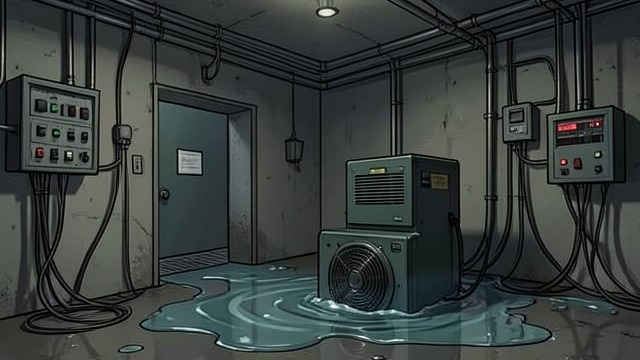
Officials had asked hospitals whether generators and electrical gear could withstand deep flooding. Memorial knew that important components remained near or below ground level.
Costs Deferred
The hospital’s improvements competed with other capital needs. The decision not to elevate or protect vulnerable equipment became consequential when water reached the basement.
A Fragmented Response
A Fragmented Response
No Single Coordinator
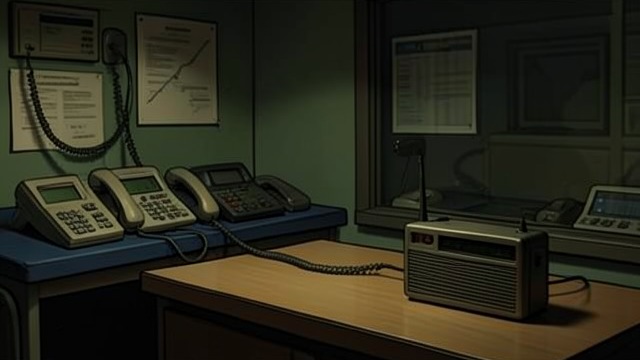
Hospitals, companies, and public agencies maintained different lists and communicated through unreliable channels. Memorial was described variously as a high, low, or first priority for evacuation.
Responsibility Circulates
Organizations pointed toward one another for resources and decisions. The resulting confusion left patients waiting while everyone searched for a clear authority.
Lessons Revisited
Lessons Revisited
A New Hospital at Risk
During Hurricane Sandy, hospitals in New York again faced flooding and backup-power threats. Staff confronted questions that had echoes of Memorial’s experience.
Improvement and Repetition
Some systems had become more organized, but emergency plans still lacked realistic backup-to-backup provisions. Katrina’s lessons were influential without being fully absorbed.
2001–2005
August 23–24, 2005
Before August 29, 2005
August 30–September 1, 2005
2012, during Hurricane Sandy
